Process · 4 Sept 2026 · 7 min read
Buying an apartment in Dubai from Israel, step by step
Documents, escrow, the 4% Land Department fee, the payment schedule and handover — the whole sequence, in order.
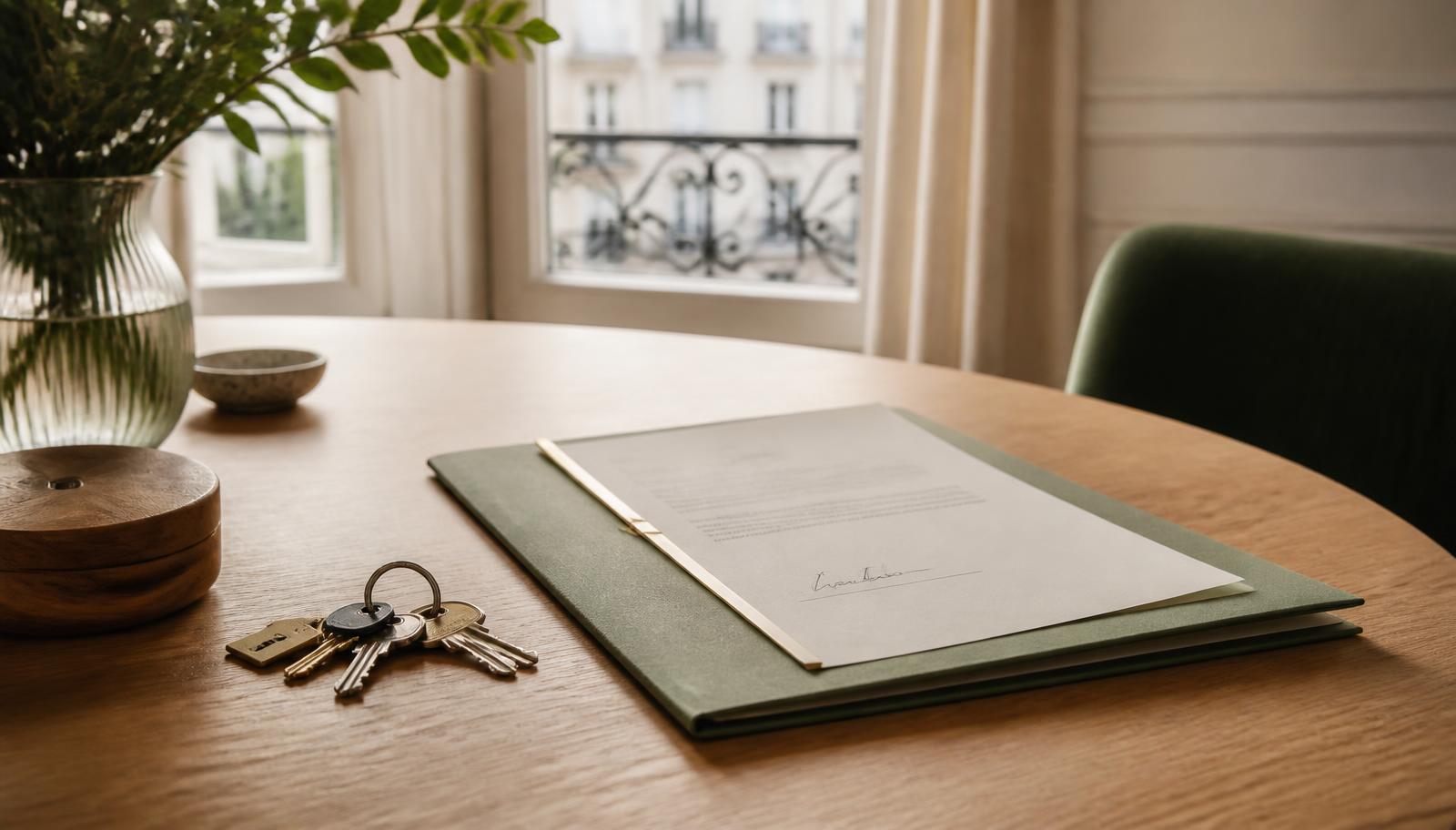
Buying abroad is not harder than buying at home. It is unfamiliar, which feels the same until someone lays the order out. Here is the sequence a buyer resident in Israel goes through for a Dubai apartment, and what to insist on at each point.
1. Decide the purpose before the unit
Rental income, a place you will use, or capital growth on a handover date — these lead to different buildings, different unit sizes and different payment structures. Fixing the purpose first removes about half the shortlist and most of the later regret.
2. Documents
- A passport valid for the full purchase period. Foreign nationals may own freehold in designated areas of Dubai.
- Proof of address and a source-of-funds trail your bank and the developer can follow.
- An Emirates ID is not required to buy; it becomes relevant for residency and some services afterwards.
3. Reservation and contract
A reservation form fixes the unit and the price, usually against a deposit. The binding document that follows is the Sale and Purchase Agreement. Read the handover date, the penalty clauses on both sides, the payment milestones and the specification schedule before signing, in a language you actually read.
4. Escrow — where the money goes
For off-plan purchases in Dubai, developer proceeds go into a project escrow account regulated through the Dubai Land Department, and are released against construction progress. Your payment goes to that escrow account, never to an agent and never to Manzely. Ask for the escrow account details and the project registration in writing, and check that the account name matches the project.
5. Costs on top of the price
- Dubai Land Department transfer fee: 4% of the purchase price.
- Registration, trustee and administration: roughly 2-3% in total.
- Annual service charges per square foot, set per building.
- Management, if you let the unit: 5-8% of rent long-term, 15-25% for serviced or short-term.
6. Paying over time
Off-plan plans in Dubai are usually structured as a deposit, instalments tied to construction milestones or fixed dates, and a final payment at handover. The schedule is part of the price: a plan that pushes more of the total to handover is a different product from one that front-loads it, even at the same headline figure.
7. Handover and after
At handover you inspect, snag, settle the final payment, take title registration and connect utilities and management. If the unit is for letting, the tenancy and its registration follow. This is the stage where most owners abroad discover whether they bought a building or a rendering — which is why the developer's delivery record matters more than the brochure.
Where Manzely sits
One Manzely agent owns your file from the first question to the key, in Hebrew, Arabic or English, alongside the licensed developer. We do not hold your money. We hold the timeline, the paperwork and the answers.
Fees and procedures are those published by the Dubai Land Department at the time of writing. Confirm current figures for your transaction and take independent tax advice in Israel.
Questions the article did not answer?
Tell a Manzely agent what you are weighing up. You get one person, in your language, from the first question to the key.